
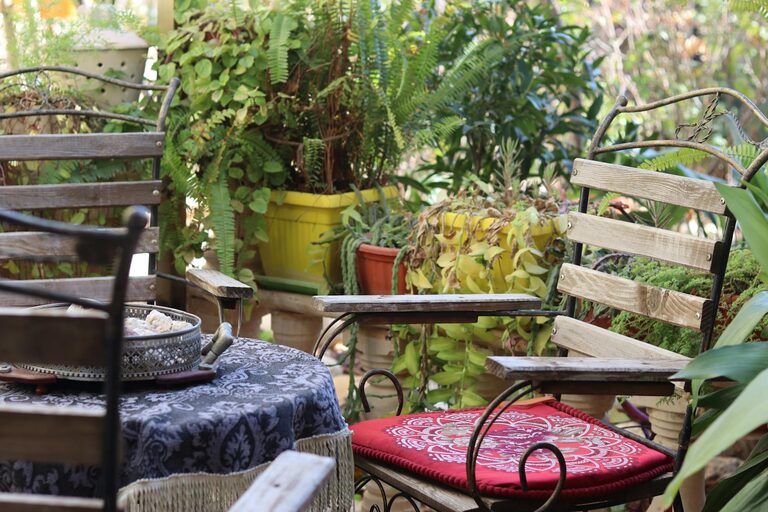
Creating a relaxing home garden space can be a wonderful way to enjoy some peace and tranquillity right outside your door. Whether you have a large garden or a small balcony, a few thoughtful touches can turn your outdoor area into a restful haven. Here are some practical tips to help you design and maintain a soothing garden space that invites relaxation and refreshes your mind.
Choose a Calm Colour Palette
Start by selecting colours that promote a sense of calm and relaxation. Soft greens, gentle blues, muted lavenders, and creamy whites are excellent choices for plants, garden furniture, and accessories. These colours tend to have a soothing effect and help create a peaceful environment.
Avoid overly bright or contrasting shades, which can be energising but might detract from a relaxing atmosphere. Instead, aim for harmonious blends that make it easy for your eyes to rest.
Select Plants that Encourage Tranquillity
The right plants can significantly influence the mood of your garden. Here are some suggestions:
– Lavender: Known for its calming scent and soft purple flowers, it promotes relaxation.
– Jasmine: Produces a sweet fragrance that can reduce stress.
– Ferns: Their lush greenery creates a cool and shaded feel.
– Hostas: Ideal for shaded spots, their large leaves add texture and calmness.
– Grasses: Ornamental grasses can gently sway in the breeze, adding a peaceful rhythm.
– Herbs like chamomile or mint: Their subtle aromas contribute to the sensory experience.
Try to include a mix of evergreen and seasonal plants so your garden feels inviting throughout the year.
Create Comfortable Seating Areas
A relaxing garden needs a comfortable place to sit and unwind. Depending on your space, consider adding:
– A garden bench or swing seat: Perfect for quiet moments or reading.
– Outdoor cushions and throws: These make hard seats more inviting.
– A hammock: A gentle sway can ease tension and promote rest.
– A small table and chairs: For enjoying tea or snacks outdoors.
Position seating in a way that captures your favourite views or allows you to enjoy the sun or shade, depending on your preference.
Incorporate Water Features
The sound of water is famously soothing. If space and budget allow, you could include:
– A small pond: Adds a natural habitat and visual interest.
– A fountain or waterfall: Creates gentle, calming water sounds.
– A birdbath: Attracts birds, adding to the garden’s tranquillity.
Even simple DIY water features can make a big difference and contribute to a peaceful atmosphere.
Use Soft Lighting
Outdoor lighting can extend your garden’s use into the evening and create a cosy, relaxing mood. Some effective options include:
– Solar-powered lanterns: Environmentally friendly and easy to place anywhere.
– String lights: Add a magical glow overhead or along fences.
– Candles or tealights in jars: Perfect for a subtle flicker of light.
– Spotlights on key plants or water features: Highlight elements without overpowering.
Avoid harsh or overly bright lights. The goal is to mimic the soft light of dusk or dawn.
Add Personal Touches and Decorations
Make your garden feel like your own by including elements that bring you joy:
– Wind chimes: Add gentle sounds on a breezy day.
– Garden sculptures or ornaments: Reflect your style and interests.
– Colourful pots or planters: Can add personality without overwhelming the space.
– A small bookshelf or outdoor storage box: Keep garden books or cushions handy.
Personal touches help you connect with your garden, enhancing its relaxing effect.
Minimise Noise and Distractions
A peaceful garden should be as free as possible from noise and disturbances. Consider:
– Planting hedges or shrubs: They act as natural sound barriers.
– Using fences or trellises: Can block out street noise or neighbours.
– Positioning your seating away from busy areas: Helps create a sense of privacy.
If you live in a location with noise challenges, adding a water feature with trickling sounds can help mask unwanted sounds.
Keep It Simple and Clutter-Free
A cluttered space can feel stressful rather than peaceful. Try to keep your garden tidy and well-organised by:
– Regularly pruning and weeding.
– Storing garden tools neatly.
– Avoiding too many decorations or furniture pieces.
A simple, uncluttered layout is easier on the eyes and mind, helping you to relax fully.
Maintain Your Garden with Care
A beautiful garden is a joy, but it needs regular care to stay inviting. Basic maintenance tips include:
– Watering plants appropriately for their type.
– Removing dead leaves and debris.
– Checking for pests or diseases.
– Refreshing mulch to keep soil moist and neat.
– Replacing any plants that don’t thrive.
If gardening feels like a chore rather than a pleasure, consider low-maintenance plants or ask a local garden service for help.
Conclusion
Designing a relaxing home garden space is all about creating an environment that appeals to your senses and supports your well-being. By choosing calming colours, selecting fragrant plants, adding comfortable seating, and incorporating gentle water sounds and lighting, you can transform your garden into a personal sanctuary. Remember to keep the space simple, tidy, and uniquely yours, so that it becomes a favourite spot for quiet reflection, reading, or spending time with family and friends. With a little planning and care, your garden can become the perfect escape from everyday stress.