
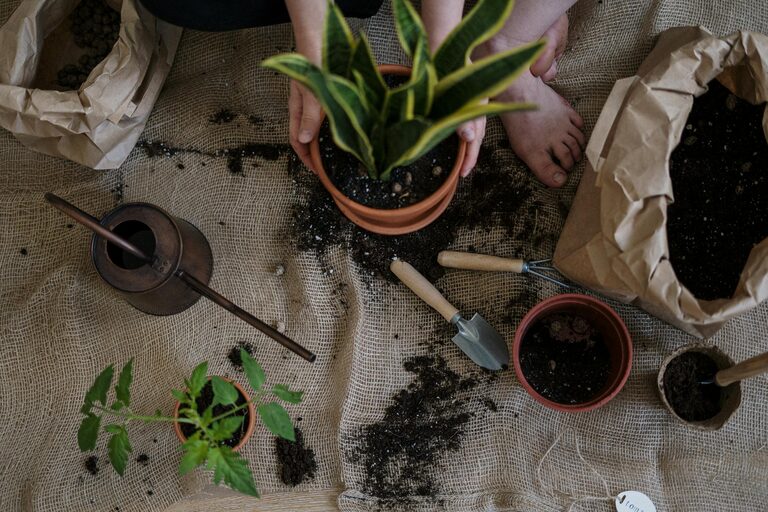
Creating a sustainable home garden is a rewarding way to connect with nature, reduce your environmental impact, and enjoy fresh produce right outside your door. If you’re new to gardening, don’t worry — you don’t need a green thumb or much space to get started. This guide will take you through simple steps to build a sustainable garden that thrives year after year.
Why Choose a Sustainable Garden?
Sustainable gardening focuses on using resources wisely, supporting local ecosystems, and minimising waste. It’s about growing plants in a way that protects the environment and encourages biodiversity. Whether you have a small balcony, a backyard, or even just a few pots on a windowsill, sustainable gardening can be adapted to your space and lifestyle.
—
Step 1: Plan Your Garden Space Wisely
Assess Your Area
Start by observing your outdoor space. Note how much sunlight the area receives throughout the day — most vegetables and herbs need at least six hours of direct sunlight. Check the soil condition and drainage if you’re planting in the ground.
Choose the Right Location
If you lack garden space, consider container gardening or vertical gardens, which save space and can be placed on patios or balconies. Make sure your garden will be easily accessible for watering and maintenance.
—
Step 2: Prepare Your Soil Naturally
Healthy soil is the foundation of a sustainable garden.
– Avoid Chemicals: Skip synthetic fertilisers and pesticides. Instead, opt for organic compost or well-rotted manure.
– Test Your Soil: You can buy simple kits to check soil pH and nutrient levels, or observe which plants grow best to guide improvement.
– Add Compost: Compost enriches the soil with nutrients and supports beneficial microbes. Collect kitchen scraps like vegetable peels and coffee grounds for homemade compost.
—
Step 3: Select Suitable Plants
Choose plants that are well-suited to your climate and soil type. Native plants often require less water and care.
– Start with Easy Crops: Leafy greens, herbs such as basil and mint, and root vegetables like carrots are great for beginners.
– Consider Companion Planting: Some plants help protect others from pests and improve growth when planted close together.
– Grow Perennials: These plants come back year after year, reducing the need to replant and saving resources.
—
Step 4: Use Water Efficiently
Watering sustainably means conserving water while keeping your plants healthy.
– Water Early or Late: Water your garden in the early morning or late evening to reduce evaporation.
– Use Mulch: Mulching keeps soil moist longer by reducing evaporation and suppressing weeds.
– Collect Rainwater: If you can, set up a rainwater barrel to capture water for your garden.
– Drip Irrigation: Consider drip irrigation systems or soaker hoses, which deliver water directly to roots with minimal waste.
—
Step 5: Practice Natural Pest Control
Avoid using harsh chemicals that harm beneficial insects and soil health.
– Encourage Wildlife: Birds, frogs, and ladybirds can help control pests naturally.
– Plant Pest-Repellent Herbs: Marigold, garlic, and chives are known to deter common pests.
– Handpick Pests: Regularly check your plants and remove pests by hand when possible.
– Use Homemade Solutions: Sprays made from garlic, neem oil, or soap can manage pests without harming your garden.
—
Step 6: Reuse and Recycle in Your Garden
Sustainability also means making the most of what you already have.
– Reuse Containers: Old pots, buckets, or wooden crates can become planters.
– Recycle Garden Waste: Chop and drop pruned leaves or plant trimmings as mulch or add to your compost heap.
– Choose Sustainable Tools: Invest in long-lasting gardening tools to reduce waste over time.
—
Step 7: Keep Learning and Adapting
Gardening is an ongoing process.
– Record Your Progress: Keep a garden journal to track planting dates, weather, and what works best.
– Connect with Others: Join local gardening clubs or online forums to share advice and experiences.
– Be Patient: Plants need time to establish and grow. Sustainable gardening focuses on steady improvement rather than quick fixes.
—
Final Thoughts
Starting a sustainable home garden is an enjoyable way to nurture your environment and yourself. By following these simple steps, even beginners can build vibrant green spaces that flourish naturally. Remember that sustainability is about balance and care—your garden will thrive best when you treat it gently and thoughtfully.
Happy gardening!